
Treat the child, not the thermometer
Fever is a symptom. The child’s appearance, breathing, hydration, activity, age and accompanying symptoms matter.
The natural course matters
Parents often judge treatment by whether every symptom disappears quickly. Many viral illnesses improve with time and supportive care. The doctor’s role includes identifying when the course is no longer behaving as expected.
Warning signs change the plan
Breathing difficulty, significant dehydration, unusual lethargy, seizures, bluish colour, altered consciousness, unexplained bleeding and other serious symptoms need prompt assessment.
Do not keep extending self-medication
Persistent or worsening symptoms deserve reassessment rather than repeatedly adding medicines at home.
Questions parents commonly ask
- When should fever worry me?
- Does fever need antibiotics?
- How do I identify dehydration?
- When is fast breathing dangerous?
Videos related to this concern
 Diet for Children During Illness | बच्चा बीमार हो तो क्या खिलाएँWatch in the Media library →
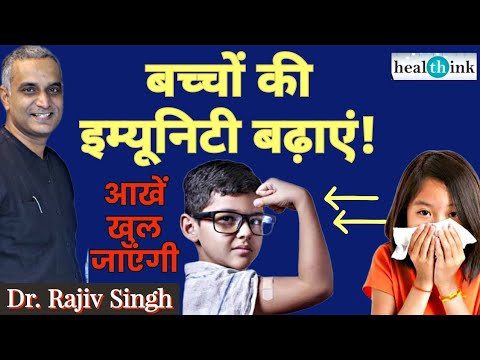 Improving Child Immunity | बच्चों में इम्यूनिटी कैसे बढ़ाएँWatch in the Media library →
 Diarrhoea in Children | बच्चों में दस्त: कारण और इलाजWatch in the Media library →
 Cough, Cold and Fever in Children | बच्चों में खाँसी, सर्दी और बुखारWatch in the Media library →
 Child Dental Problems and Treatment | बच्चों की दाँतों की समस्याएँWatch in the Media library →
 Dental Hygiene in Children | बच्चों के दाँत खराब होने से बचाएँWatch in the Media library →
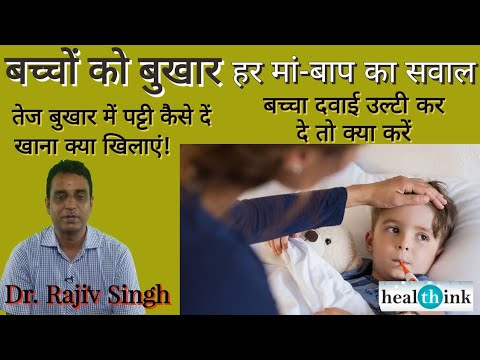 High Fever in Children: What to Do and What to AvoidWatch in the Media library →
 Nosebleeds: Forms and SymptomsWatch in the Media library →
Read next: Fever, infections & antibiotics
Search the complete library →Breathing difficulty, seizures, bluish colour, altered consciousness, severe dehydration or a child who appears seriously unwell require prompt in-person medical assessment.